From April 17th to 19th, many of the state’s top archaeologists gathered to collaborate and share their work at the 107th New York State Archaeological Association Conference in Rochester, NY. The attendees and presenters held a wealth of knowledge - many of them with decades of experience, PhDs, professorships and boundless research credits to call on.
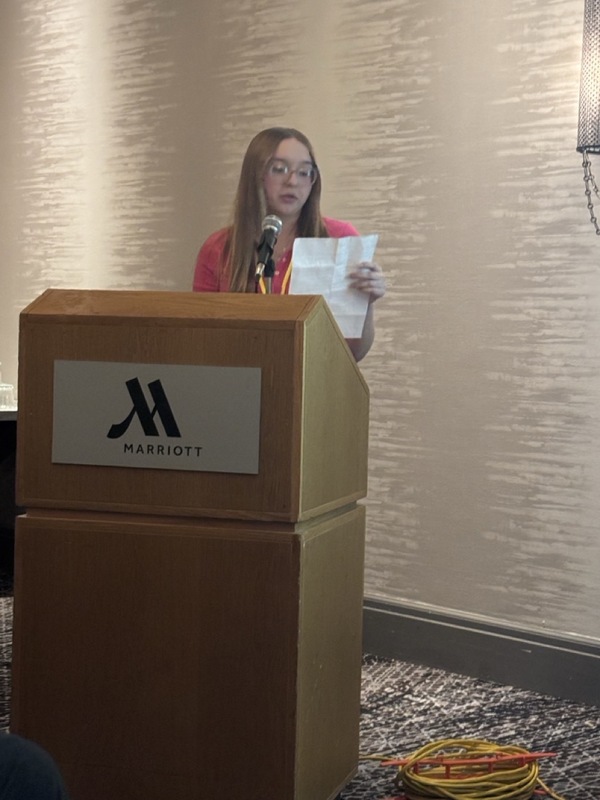
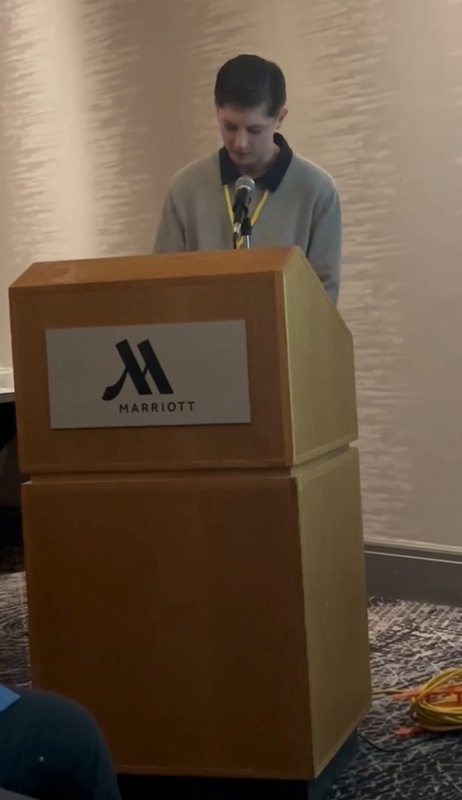
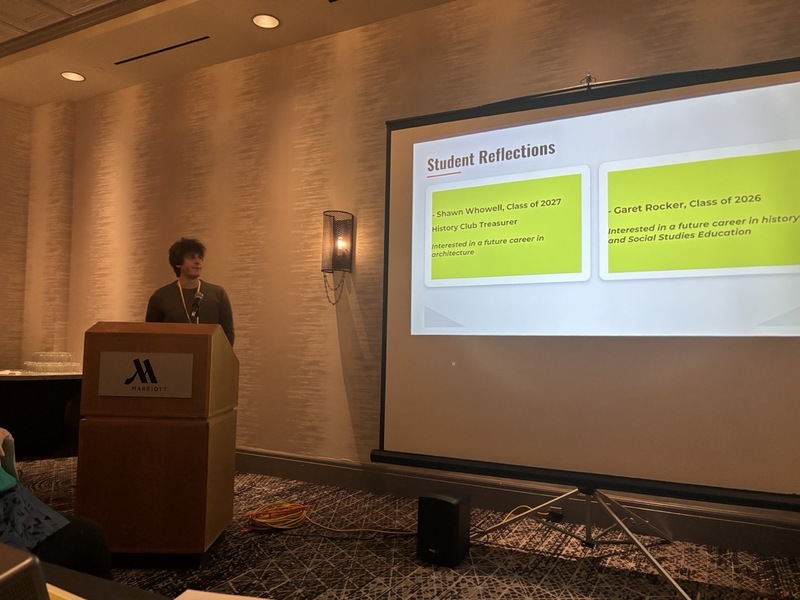
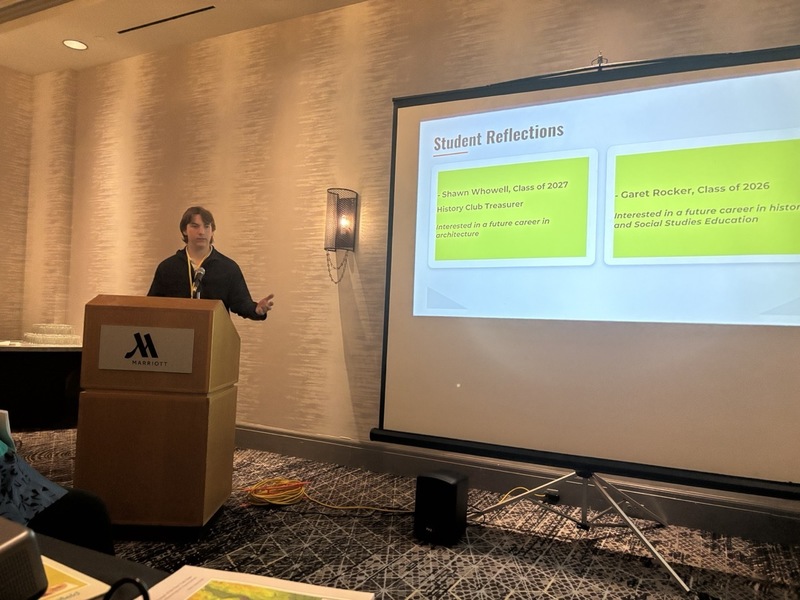
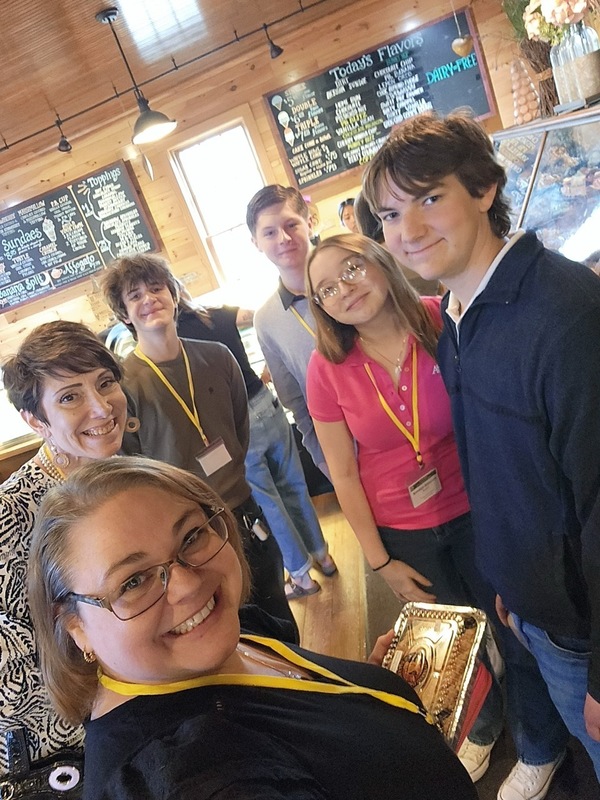
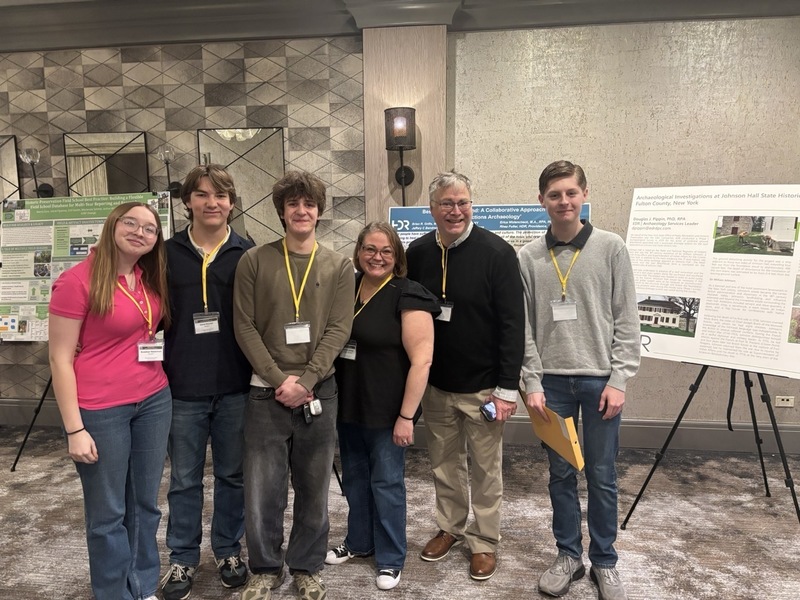
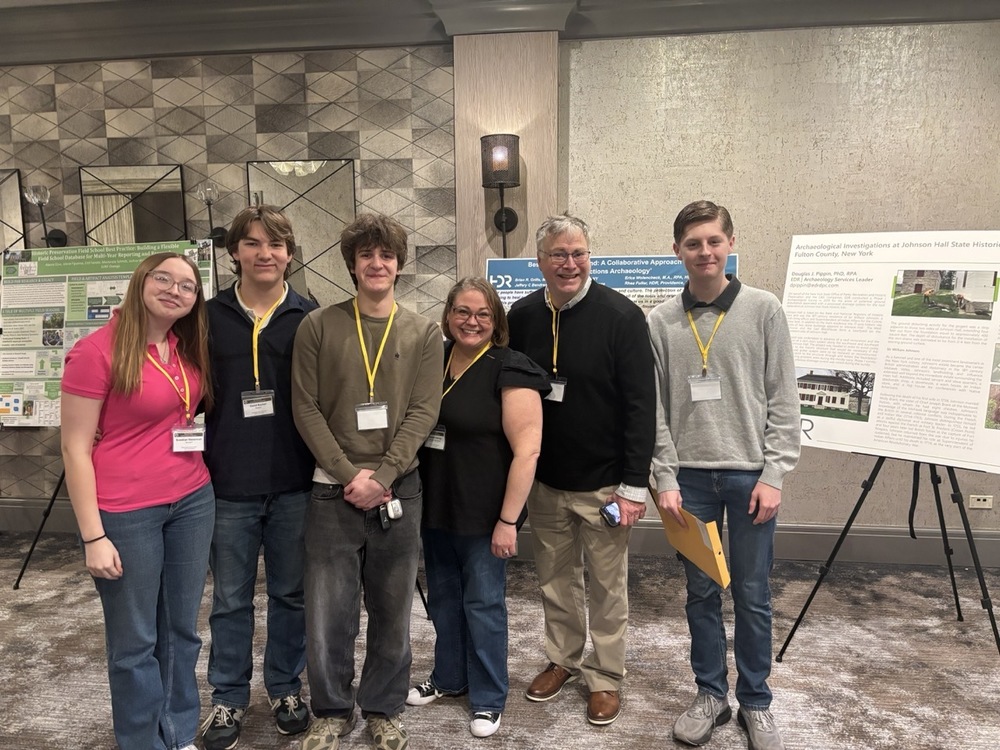
Amidst all of that experience and expertise, the conference’s youngest presenters drew plenty of attention. On Saturday, April 18th, Camden High School students Garet Rocker, Brooklyn Waterman, Shawn Whowell, and Luke Eveleth accompanied social studies teacher Jessica Harney to the conference to present about their adventures in archaeological field research as part of an ongoing study at the site of the former Florence Settlement. Also on the trip was CHS teacher Tricia Philpott, who has participated in past research trips with the students.
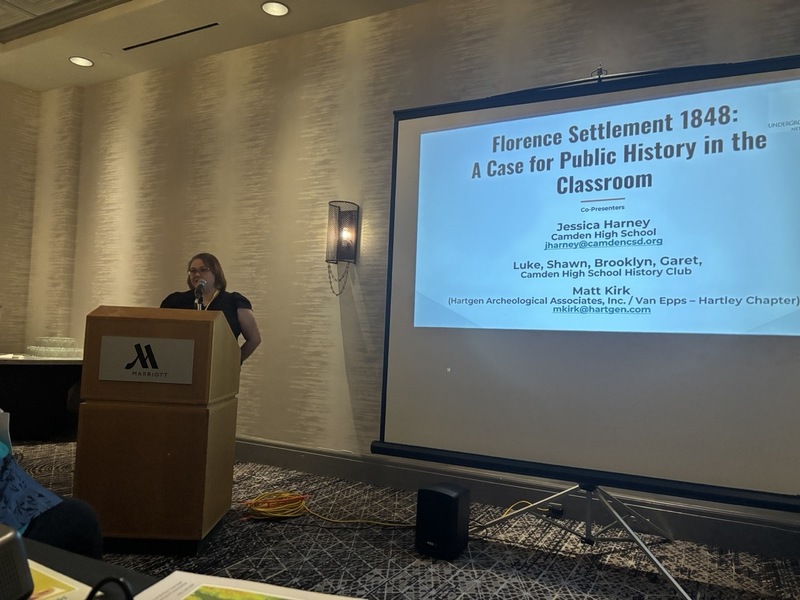
The presentation was led by Harney and Matthew Kirk of Hartgen Archaeological Associates, and was entitled Florence Settlement 1848: A Case for Public History In The Classroom.
The Florence Settlement, also known as the Florence Farming Association, was a trailblazing development in pre-Civil War America. The Settlement was created in the mid-to-late 1840s by Abolitionist Stephen Meyers, and provided one of the first known opportunities in the United States of America for free Black people to own land and farm at a large scale, and in turn, create socioeconomic opportunity for themselves. Because of the value of the land they owned, they also obtained the right to vote in the state of New York. The land was granted by abolitionist leader Gerrit Smith, who of course made his home in nearby Canastota.
At its height, approximately 80-90 families were believed to call the area home, and it flourished until the late 1850s, when it became unsafe to remain at the site because of pre-war tensions and the ongoing presence of the Fugitive Slave Law of 1850 on the federal rolls.
For over ten years, Harney has been participating in a study in partnership with the New York State Department of Environmental Conservation, Hartgen Archaeological Associates, the New York State Museum, The Underground Railroad Education Center, and the Stephen and Harriet Meyers Residence Museum, among others. For the last seven years, the study has also included students and staff from Camden High School, including Harney’s MVCC Dual Credit US History Class. 2025 was the most involved year yet, as digging rights to a limited area were granted for the first time. In October 2024, the site was added to the National Park Service’s “Underground Railroad Network Network To Freedom” program. That application process was supported by former students Haley Tanner ‘21 and Evan Youngs ‘21.
Student involvement has offered an immersive experience in historical research, and an understanding of the value of public history. Each presenting student had the opportunity to reflect on that value in front of a distinguished audience. Rocker did not prepare a written speech, but provided a heartfelt extemporaneous reflection on how this experience will bolster his future career plans to become a Social Studies Teacher.
Whowell holds aspirations of becoming an Architect, and noted how the work on the project could influence his design philosophy down the road.
"The Florence Settlement trip was an amazing experience that opened my eyes to archaeology and reinforced my interest in architecture,” he said. “It helped me realize I could design museums or visitor centers that capture the essence of a historical site while also drawing attention to it as the main focus. It’s a unique experience that I think more students should have because it introduces them to a new field while offering an engaging and meaningful learning opportunity."
Waterman felt the assignment has widened her perspective on local history.
“Through working closely with real archaeologists, students and professionals alike can discover the dedication and community required to further a civilization,” she said. “Engaging in these activities creates a deeper appreciation for the past beneath our feet. It encourages curiosity about stories that remain untold and motivates students to protect and preserve their local history. By participating in authentic archaeological work, students develop problem-solving skills and a stronger sense of connection to their environment. Ultimately, involvement in discovering local history can shape perspectives, encourage personal growth, and contribute greatly to the understanding of our shared past.”
Eveleth offered a profound reflection on the challenges and opportunities from the study’s first “digging day” last spring, and says it’s sparked a greater interest in the history that is all around him.
“On my visit to the site in 2025 as part of the first archaeological dig with students, the most challenging part for me and my group was the condition of the soil in our area. We were attempting to sift through an area where underground water was creating thick mud that was incredibly challenging to sift through, however, we were able to overcome the mud and push through in our search for artifacts and it was such a fun and educational experience I will never forget. My participation in the project has grown my already deep passion for history beyond what I ever thought was possible and even turned my attention to researching more of my local and family history. I wish that every high school history student could undergo a research project like this.”
The next chapter in this story will be written on May 14th, when Harney will lead another excursion to the site alongside Kirk, and Dr. Michael Lucas from the New York State Museum. Between 35 and 50 students are expected to take part in the day, which will include continued excavation.